Two-Wheeler RC Transfer in Delhi RTO
Delhi RTO RC Transfer: A Complete Two-Wheeler Guide
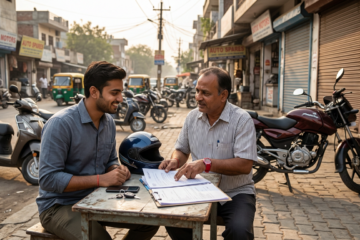
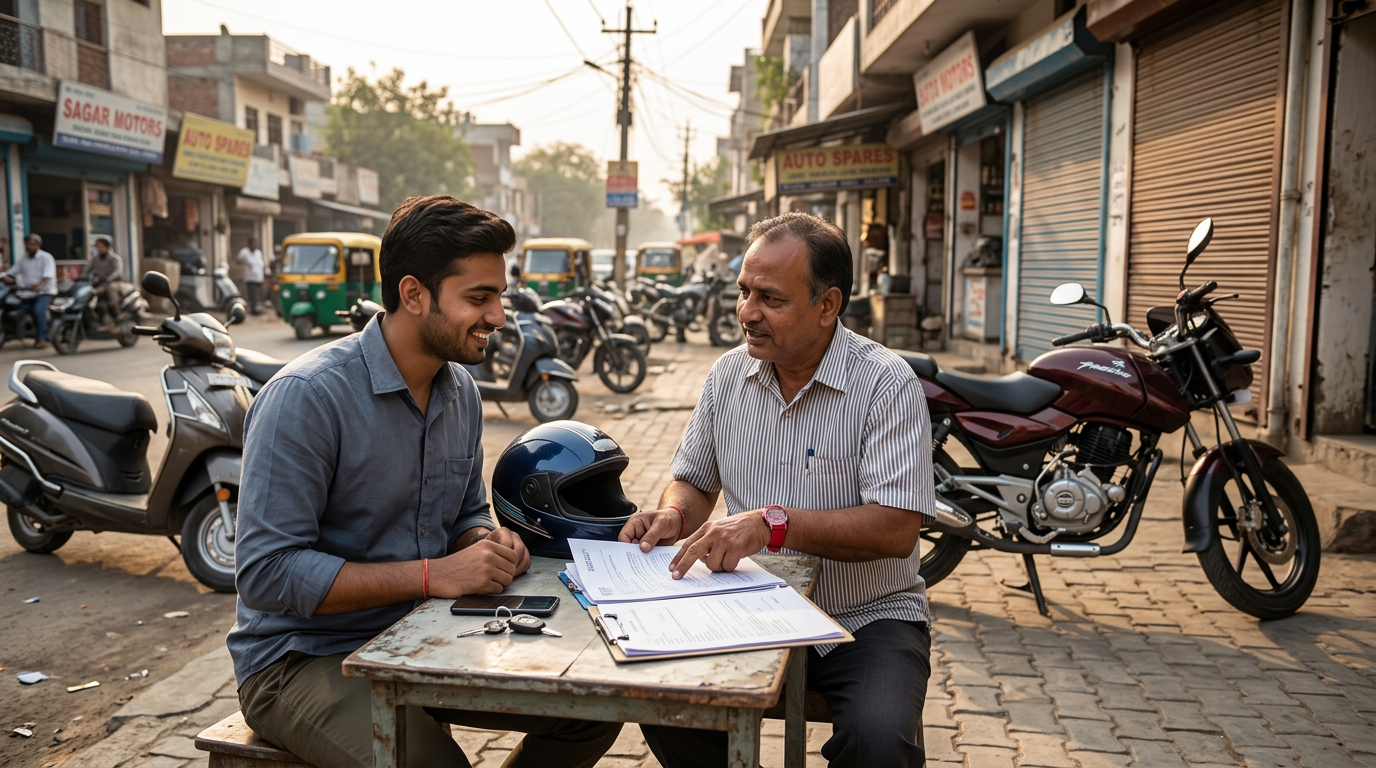
Buying or selling a scooter in our bustling city is an exciting milestone, whether you are a college student getting your first ride or a small business owner upgrading your delivery fleet. However, navigating a delhi rto rc transfer can often feel like wandering through a confusing, bureaucratic maze. Take the story of Ramesh, a local bakery owner in Burari. When Ramesh decided to sell his trusty five-year-old scooter to upgrade to an electric model, he assumed a simple handshake and handing over the keys would be the end of it. Consequently, he soon realized that the endless paperwork and legal requirements of an RC transfer could turn a joyful sale into a stressful ordeal. Many local residents share this exact worry, fearing the long lines and confusing forms.
We truly understand this stress, and that is why Burari vehicle services are here to help our wonderful community navigate these waters. We want your used two-wheelers to change hands safely, legally, and smoothly. Without proper guidance, a simple delhi rto rc transfer can easily morph into a major headache, leaving the original owner vulnerable to unexpected liabilities. By learning from the experiences of people like Ramesh, you can bypass the common pitfalls that trap so many well-meaning buyers and sellers.
Therefore, this comprehensive guide will walk you through the entire RC transfer process step-by-step, weaving in practical advice to keep you on track. You will learn exactly what forms to fill out, where to submit them, and how the digital landscape of Delhi’s transport department has evolved. Furthermore, we will show you how to avoid common traps that delay applications. Let us work together to make your Delhi vehicle sale simple, secure, and completely stress-free!
Prerequisites for a Delhi RTO RC Transfer
Before you even think about visiting the RTO or logging into any government portals, you must prepare a solid legal foundation. First and foremost, gather all your basic documents. Additionally, a step-by-step legal checklist is strictly required in Delhi today. This updated 2025 rule ensures your delhi rto rc transfer is completely safe and transparent for all parties involved. For Ramesh, this meant spending an afternoon locating his original RC, valid pollution under control (PUC) certificate, and his proof of address.
Next, you need to thoroughly check for any pending traffic challans. In a city where traffic cameras are everywhere, it is incredibly common to have a minor speeding ticket or parking fine you never knew about. Therefore, buyers should always ask sellers to clear these dues first, as the RTO will outright reject a transfer application if the vehicle has pending fines. Additionally, ensuring you have valid two-wheeler insurance is absolutely critical. The insurance policy must be active before you initiate the transfer, and it should ideally have at least a few months of validity remaining to ensure a smooth transition to the new owner.
Moreover, if the bike was originally bought on a bank loan, you must handle the hypothecation removal before selling it. For instance, hypothecation removal at the DL06 RTO requires a specific, meticulous process. This applies to any vehicle that still has an active loan status on its RC, even if you have paid off the debt. Consequently, you will need to acquire a formal No Objection Certificate (NOC) and Form 35 from your financing bank. Preparing these prerequisites early saves you countless hours of frustration later and prevents your application from being bounced back.
Your Pre-Transfer Checklist
- Clear all pending traffic challans online through the Delhi Traffic Police portal.
- Obtain a valid two-wheeler insurance certificate and an updated PUC.
- Secure a bank NOC and Form 35 for hypothecation removal if the bike was financed.
- Draft a clear, legally binding sale receipt for the transaction signed by both parties.

Required Forms for Delhi RTO RC Transfer
Let us decode the paperwork so you do not feel overwhelmed when faced with the RTO’s requirements. Legal ownership transfer of a two-wheeler requires three main documents that dictate the terms of the sale. You must fill out and submit Form 28, Form 29, and Form 30. These forms serve as the absolute backbone of your delhi rto rc transfer, each playing a distinct role in notifying the government of the ownership change.
First, we have Form 28. This form is essentially a No Objection Certificate from the registering authority. You only need to worry about this specific form if you are moving the bike to another state or a different RTO jurisdiction. If you are selling your scooter to your neighbor in the same RTO zone, you can happily skip this one.
Second, you must sign Form 29 in duplicate. This document acts as the official notice of transfer of ownership. The seller uses this form to explicitly tell the RTO that they have sold the vehicle and handed over the physical possession to the buyer. It protects the seller by establishing a timeline of when the vehicle left their control.
Third, Form 30 is the actual application for transferring the RC into the new owner’s name. Both the buyer and the seller must sign this comprehensive document. It acts as a formal declaration confirming that the buyer takes full legal responsibility for the vehicle moving forward. Finally, remember that an extra NOC is mandatory if the vehicle has an active hypothecation status. You must submit this bank document along with your forms to clear the financier’s name from the RC.
Summary of Required Forms
- Form 28: Required for an interstate No Objection Certificate (only if moving out of state).
- Form 29: Notice of transfer, signed by the seller to declare the handover.
- Form 30: The main application for ownership transfer, requiring signatures from both parties.
- Bank NOC & Form 35: Needed for clearing active loans and removing hypothecation.
How to Complete a Delhi RTO RC Transfer Online
Now that your paperwork is perfectly organized, it is time for submission. Thankfully, the process has become much easier and more streamlined thanks to online digitization of the delhi rto rc transfer system. First, you must visit the official Parivahan portal, the central hub for all vehicle-related services in India. This digital leap means you no longer have to stand in line just to pick up blank forms.
Once you are on the portal, select the vehicle-related services option and choose Delhi as your state. Next, log in using your vehicle’s registration number and the last five digits of the chassis number. As a result, the system will authenticate your details via an OTP sent to the registered mobile number. You can then upload your scanned forms, address proofs, and pay the required RC transfer fees securely online. The portal will generate a fee receipt which you must print and keep safe.
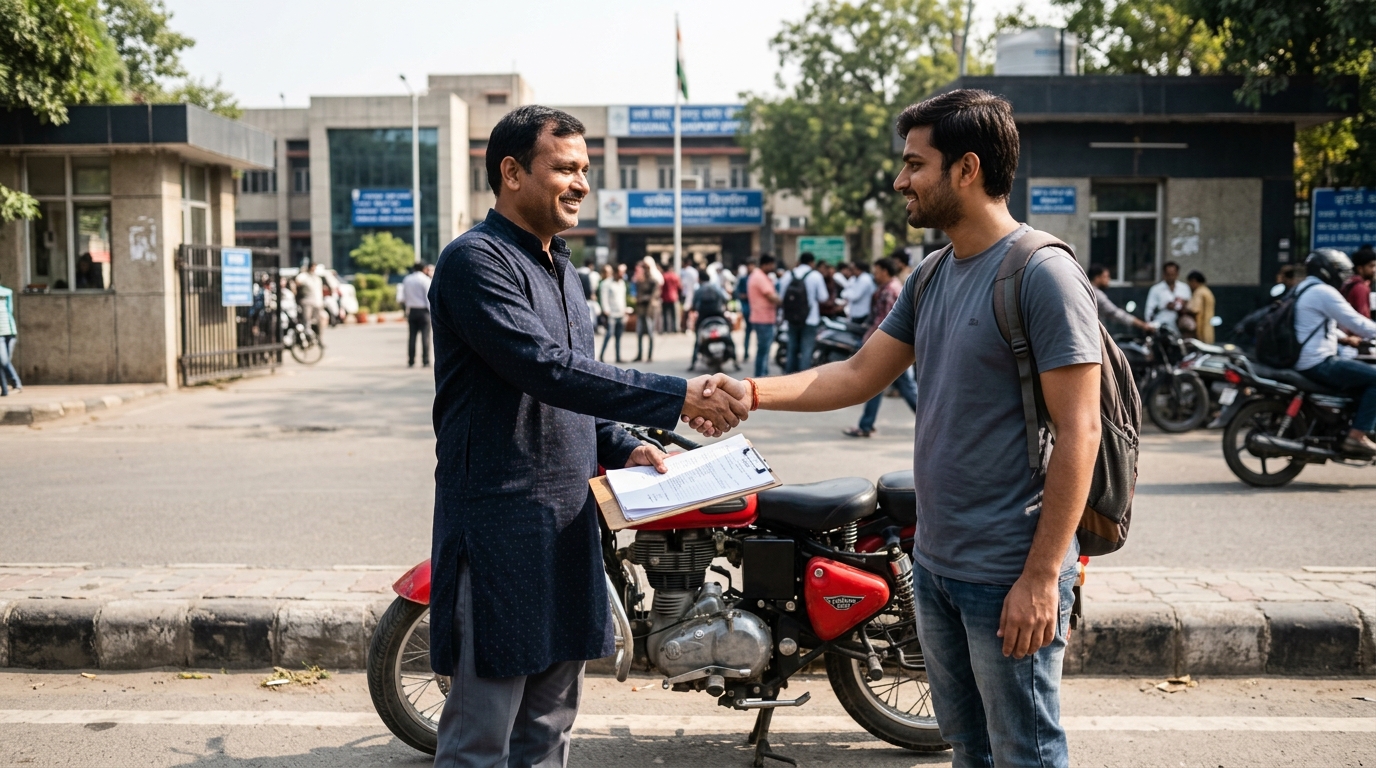
After finishing the online steps, you must book an appointment for physical verification. Both parties should ideally visit the local RTO to submit the hard copies of the documents. The RTO inspector will then verify your physical files against the uploaded digital copies. Furthermore, if a buyer intends to transfer a vehicle to another state, the seller must help obtain an NOC from the Delhi RTO. This crucial step avoids blocking the vehicle re-registration process in the destination state.
Step-by-Step Submission
- Log into the online Parivahan portal and authenticate your vehicle details.
- Upload all necessary documents and pay the required transfer fees online.
- Book a physical RTO appointment at your designated zonal office.
- Submit the hard copies and payment receipts to the RTO inspector for final verification.

Why the Delhi RTO RC Transfer Process Matters
Understanding the statistics behind vehicle transfers highlights exactly why this meticulous process matters so much. As of 2026, thousands of used two-wheelers are sold monthly across Delhi’s vibrant neighborhoods. However, a shocking number of sellers skip the formal delhi rto rc transfer to save a little time or avoid paying the nominal RTO fees. This is a very dangerous mistake that can haunt you for years.
Indeed, failure to properly transfer ownership can make the original owner legally liable for anything that happens with the vehicle. If the new buyer is involved in a hit-and-run accident, uses the vehicle for illegal activities, or simply racks up parking tickets, the police will knock on the original owner’s door. According to a comprehensive 2025 traffic report, many challans misfire due to this exact issue. Nearly 15% of all automated traffic challans go to previous owners due to incomplete or abandoned transfers. Therefore, following the legal checklist is not just a recommendation; it is strictly necessary for your peace of mind.
Visualizing the Transfer Journey
To make this process even clearer, we designed a helpful infographic for our users. This visual guide features a bright, easy-to-read flowchart that maps out the entire journey from handshake to new RC. First, it displays the initial steps of checking the vehicle’s history and clearing challans. Next, it uses colorful, distinct icons to represent the various RTO forms, making it easy to remember which is which. A distinct yellow warning sign highlights the hypothecation removal step, reminding sellers not to forget their bank NOCs. Finally, a green arrow leads to the Parivahan portal submission and final RTO visit. This clean, logical design helps our Burari community quickly grasp the journey without getting bogged down in legal jargon.
Conclusion
In conclusion, transferring your RC does not have to be a hard, agonizing process. By following this detailed guide and learning from the experiences of fellow Delhiites, you can confidently navigate your delhi rto rc transfer. Remember to clear your dues, gather your forms meticulously, and utilize the online Parivahan portal to save time. Doing so protects you from future legal troubles and ensures a clean break from your old vehicle.
A proper ownership transfer finalizes a Delhi vehicle sale safely, allowing both the buyer and seller to move forward with total peace of mind. We hope this information empowers you to buy and sell safely within our community. Are you ready to find a great deal on a scooter or pass your trusty ride on to a new owner? Post your free ad on Burari today and connect instantly with verified local buyers and sellers!
Frequently Asked Questions (FAQ)
How long does the RC transfer process take in Delhi?
Once you have submitted all the physical documents to the RTO after completing the online Parivahan steps, it typically takes about 15 to 30 days for the new RC to be processed and mailed to the buyer’s registered address via Speed Post.
Do both the buyer and seller need to be present at the RTO?
While rules can occasionally vary slightly by specific RTO zones, it is highly recommended that both parties are present during the physical document submission. This ensures immediate resolution if the RTO inspector has any questions regarding the signatures or sale agreement.
What happens if I lost my original RC before selling?
If you have lost your original RC, you cannot proceed with the transfer immediately. You must first file a police FIR for the lost document and apply for a duplicate RC through the Parivahan portal. Only after receiving the duplicate RC can you initiate the ownership transfer process.
Can I transfer the RC if my insurance has expired?
No, the RTO mandates that the vehicle must have a valid insurance policy at the time of the transfer application. You must renew the insurance policy (at least third-party coverage) before submitting your forms online or offline.